
Understanding the DRAGON222 Link and Its Impact
In recent years, the landscape of adaptive sports has evolved significantly, highlighting the importance of innovation in equipment and accessibility. One such innovation is the DRAGON222 link, which plays a crucial role in enhancing mobility for adaptive athletes. This article explores the multifaceted implications of the DRAGON222 link in adaptive sports, detailing its historical context and the necessity for community involvement in driving its success.
What is the DRAGON222 Link?
The DRAGON222 link is a specialized technology designed to improve the functionality of adaptive sports equipment. By providing enhanced connectivity and coordination between the user’s limb prosthetics and their athletic gear, this link serves to optimize performance and responsiveness. As adaptive sports grow in popularity, advancements like the DRAGON222 help bridge the gap between traditional sports and their adaptive counterparts, ensuring that athletes can perform at their best, irrespective of physical limitations.
Historical Context of Adaptive Mobility Solutions
Adaptive sports have come a long way since their inception, evolving from basic mobility solutions to complex, technologically advanced equipment. The history of adaptive devices dates back to the early 20th century, when individuals with disabilities sought ways to participate in sports. With the introduction of advanced materials and technological innovations, devices like the DRAGON222 link represent the culmination of decades of progress aimed at inclusivity and performance enhancement.
The Significance of Community Involvement
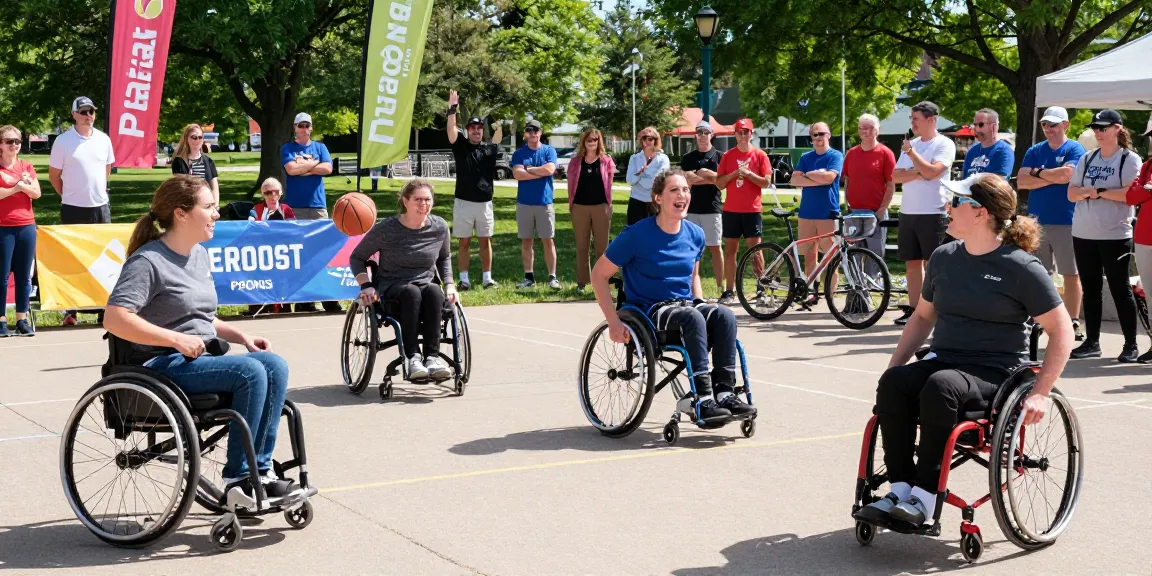
Community support is critical in promoting adaptive sports. Local organizations, clubs, and non-profits play vital roles in providing resources, training sessions, and financial support for adaptive athletes. Engaging the community not only raises awareness but also fosters a culture of inclusion. Events that highlight the capabilities of adaptive athletes can galvanize support and encourage broader participation, ultimately leading to greater acceptance and recognition of adaptive sports as integral to the sporting landscape.
Challenges Faced by Adaptive Sports Enthusiasts
While adaptive sports have made significant strides, participants still encounter numerous challenges hindering their full potential. Recognizing these obstacles is essential for developing strategies to support adaptive athletes effectively.
Common Misconceptions About Adaptive Sports
One of the primary barriers to the growth of adaptive sports is the prevalence of misconceptions surrounding their nature and competitive integrity. Many people erroneously believe that adaptive sports are less competitive or that they offer an unfair advantage to participants. These myths can deter potential athletes and limit community support, highlighting the need for education and advocacy to debunk these stereotypes.
Barriers to Participation in Competitive Environments
Adaptive athletes often face logistical and physical barriers that can restrict their participation in competitive sports. These may include a lack of accessible facilities, insufficient transportation options, and a shortage of specialized coaches familiar with the unique needs of adaptive athletes. Addressing these barriers requires collaboration among various stakeholders, including sports organizations, community leaders, and government entities.
Physical and Emotional Challenges
The challenges faced by adaptive athletes are not solely physical; emotional barriers play a significant role as well. Many athletes must overcome feelings of isolation, frustration, and self-doubt. Support systems, mentorship programs, and mental health resources can aid in addressing these challenges, empowering athletes to push past obstacles and thrive in their sports.
Best Practices for Promoting Adaptive Sports
To foster a thriving environment for adaptive sports, several best practices should be implemented. These strategies help maximize participation and create a supportive atmosphere for athletes.
Inclusive Marketing Strategies
Effective marketing strategies must highlight the achievements and potential of adaptive athletes. Campaigns should focus on showcasing athletes’ stories, emphasizing their strengths and accomplishments rather than their disabilities. Engaging narratives can inspire communities and motivate individuals to participate in adaptive sports.
Creating Accessible and Supportive Environments
Establishing sports programs that prioritize accessibility is essential. This encompasses physical accommodations, such as wheelchair-accessible facilities, as well as the availability of adaptive sports equipment. Developing a comprehensive framework for support, including training for coaches and volunteers, can greatly enhance the overall experience for adaptive athletes.
Engaging Local Communities and Businesses
Collaboration with local businesses can create valuable partnerships that support adaptive sports initiatives. Sponsorship opportunities, fundraising events, and community workshops can generate interest and investment in adaptive sports, fostering a sense of ownership within the community. Engaging businesses can also help build a network of resources that benefit adaptive athletes.
Case Studies of Successful Adaptive Sports Events
Examining successful adaptive sports events can provide insights into effective practices and strategies for community engagement.
Highlighting Impactful Community Programs
Numerous community programs have demonstrated the positive impact that adaptive sports can have. For instance, local adaptive rowing programs often leverage volunteer support to facilitate training and competitions, helping athletes excel while building strong community ties. These programs serve as models for replication in other areas, illustrating how local initiatives can lead to national recognition.
Success Stories from Adaptive Athletes
Personal narratives of adaptive athletes reveal the profound impact adaptive sports can have on individual lives. For example, the journey of an athlete who transitioned from disability to competing at national levels showcases the transformative power of sports. Their success not only inspires others but also underscores the importance of accessibility in fostering athleticism and achievement.
Lessons Learned and Future Directions
Each successful event presents valuable lessons on the importance of inclusivity and adaptability. Future initiatives can benefit from these experiences, ensuring that adaptive sports continue to grow and evolve. Learning from feedback and adapting strategies will be essential in cultivating ongoing engagement and participation in adaptive athletics.
Future Trends in Adaptive Sports for 2026
As we look towards 2026, various trends are likely to shape the future of adaptive sports profoundly.
Innovations in Mobility and Accessibility Technology
Advancements in technology will continue to revolutionize the capabilities of adaptive sports equipment. Innovations such as smart prosthetics, enhanced mobility devices, and advanced materials will provide athletes with unprecedented performance levels. These technological strides will not only enhance competition but also broaden participation among individuals with varying disabilities.
The Role of Social Media in Community Building
Social media platforms have become vital in promoting adaptive sports and building communities. Athletes can share their journeys, connect with others, and rally support through these online networks. As engagement increases, communities will likely evolve around these platforms, fostering greater interest and participation in adaptive sports.
Emerging Competitions and Global Participation
The landscape of adaptive sports competitions is expanding. With international events gaining traction, there is an increasing opportunity for athletes to showcase their talent on a global stage. New competitions are emerging, encouraging inclusivity and bringing together a diverse range of participants. As these opportunities grow, so too will the visibility of adaptive sports worldwide.
What are the benefits of participating in adaptive sports?
Participating in adaptive sports offers numerous benefits, including improved physical fitness, mental well-being, and social connections. Athletes experience a sense of achievement, build confidence, and foster relationships with peers who share similar experiences. These positive outcomes contribute to an enhanced quality of life for adaptive athletes.
How can communities support adaptive athletes effectively?
Communities can support adaptive athletes by raising awareness, creating accessible opportunities, and providing resources. Collaborating with local organizations, offering adaptive sports programs, and facilitating community events can help nurture an inclusive athletic environment.
What innovations are influencing the future of adaptive sports?
Innovations such as wearable technology, enhanced prosthetics, and smart equipment are shaping the future of adaptive sports. These advancements not only improve performance but also promote participation and inclusion, ultimately transforming the landscape of adaptive athletics.
What challenges do adaptive athletes face in competitions?
Adaptive athletes encounter various challenges in competitions, including limited access to adaptive equipment, inadequate facilities, and societal misconceptions. Addressing these challenges necessitates collaborative efforts from sports organizations, communities, and stakeholders to create a more inclusive environment.
How does the DRAGON222 link enhance mobility?
The DRAGON222 link enhances mobility by facilitating improved interaction between adaptive sports gear and the athlete's body. This advancement allows athletes to navigate more effectively, resulting in enhanced performance during competitive events.